This glossary is to know and understand each of the elements mentioned and put them into practice in architecture.
Air-entrained concrete
Noun
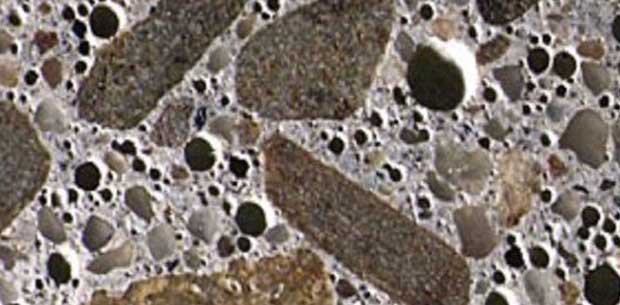
The air included in the concrete is dispersed in the form of tiny spherical bubbles, connected to each other only by very small channels called pores, through which the water escapes during the drying of the concrete and after curing.
Example: The parking structures, like shopping mall
en: Concreto con aire incluido
Architectural concrete
Noun
It is concrete that will be permanently exposed to view and therefore requires special care in selection of the concrete materials, forming, placing, and finishing to obtain the desired architectural appearance
Example: The walls of squares
en: Hormigón arquitectónico
Asphaltic concrete
Noun
It is a composite material commonly used for paving roads, parking lots, airports, and the core of dams.
Example: For roads
en: Hormigón asfáltico
Axis
noun
The axis are straight lines that lead to two points in which several spaces can be organized, they can also be
get to see imaginary and that can also be found in a space.
Example: A garden through straight lines
that connect to another space to be able to walk.
en: Eje
Backup wall
Noun
Allows to divide or delimit a space
Example: Building the wall of a house or the stairs attached to the wall
en: Pared de apoyo
Brick courses
Noun
Are placed next to each other at the same height on a horizontal surface.
Example: A wall
en: Cursos de ladrillos
Cellular concrete
Noun
Low-density cellular concrete is a cement-based suspension, with a minimum of 20% foam entrained in the mortar.
Example: Soil backfill
en: Hormigón celular
Colored concrete
Noun
It's a type of concrete in which pigments are added to give it color.
Example: Floor finishes in shopping malls
en: Hormigón coloreado
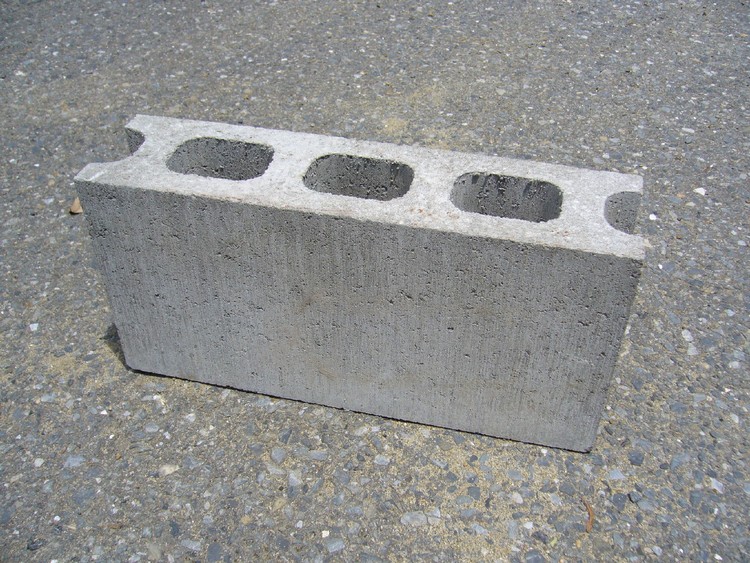
Concrete block
Noun
It's a prefabricated masonry, made with fine concrete or cement mortar, used in the construction of walls and walls.
Example: Construction of walls like houses
en: Bloque de hormigón
Cured concrete
Noun
It's the process by which concrete made with hydraulic cement matures and hardens over time, as a result of the continuous hydration of the cement in the presence of sufficient amounts of water and heat.
Example: Floors of houses without vitro flooring
en: Hormigón curado
Dovetail insert
Noun
It's an assembly technique used to join two solid wood boards, without the need to use glue or nails.
Example: For a cut requiring strength such as wood or steel
en: Inserto de cola de milano
Edge
noun
Egdes they are insurmountable limits, whether natural or artificial, that limit one space to another.
Example: The train tracks.
en: Borde
Exposed concrete
Noun
It's the one that is maintained during its useful life as it appears once the formwork has been removed or after finishing the surface treatment operations.
Example: A house that has not yet been completed
en: Hormigón visto
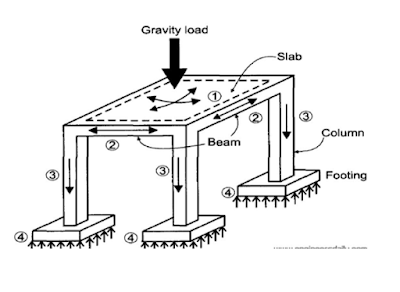
Gravity load
Noun
They are body loads that simulate the force of gravity as it affects the model.
Example: A balcony
en: Carga de gravedad
Green concrete
Noun
Most often refers to concrete that has not gone through the curing process by which it becomes a strong, hardened building material used throughout the world.
Example: The floors of some buildings
en: Hormigón verde
Grid
Noun
The grid is the uniform repetition of certain elements in two directions through points and lines that
They are situated in a space.
Example: On the floor of the streets it sometimes generates a system of ordering where we have a grid, since either in a set of vertical or horizontal lines
en: Trama
Hanging off (of)
Verb
Hold something or someone so that it does not touch the ground.
Example: Golden Gate Bridge
en: Colgado de
Horizontal mortar joints
Noun
Small space that exists between the two surfaces of the immediate bricks of a wall, which is filled with mortar or cement in order to join them solidly.
Example: Brick houses
en: Juntas horizontales de mortero
Insulating concrete
Noun
It is obtained through a mixture of cement, silica sand, lime, water, incorporating at the end of the kneading process an expanding agent, aluminum powder, which, when reacting, generates the formation of millions of air bubbles.
Example: Hollow walls like the houses in Canada
en: Hormigón aislante
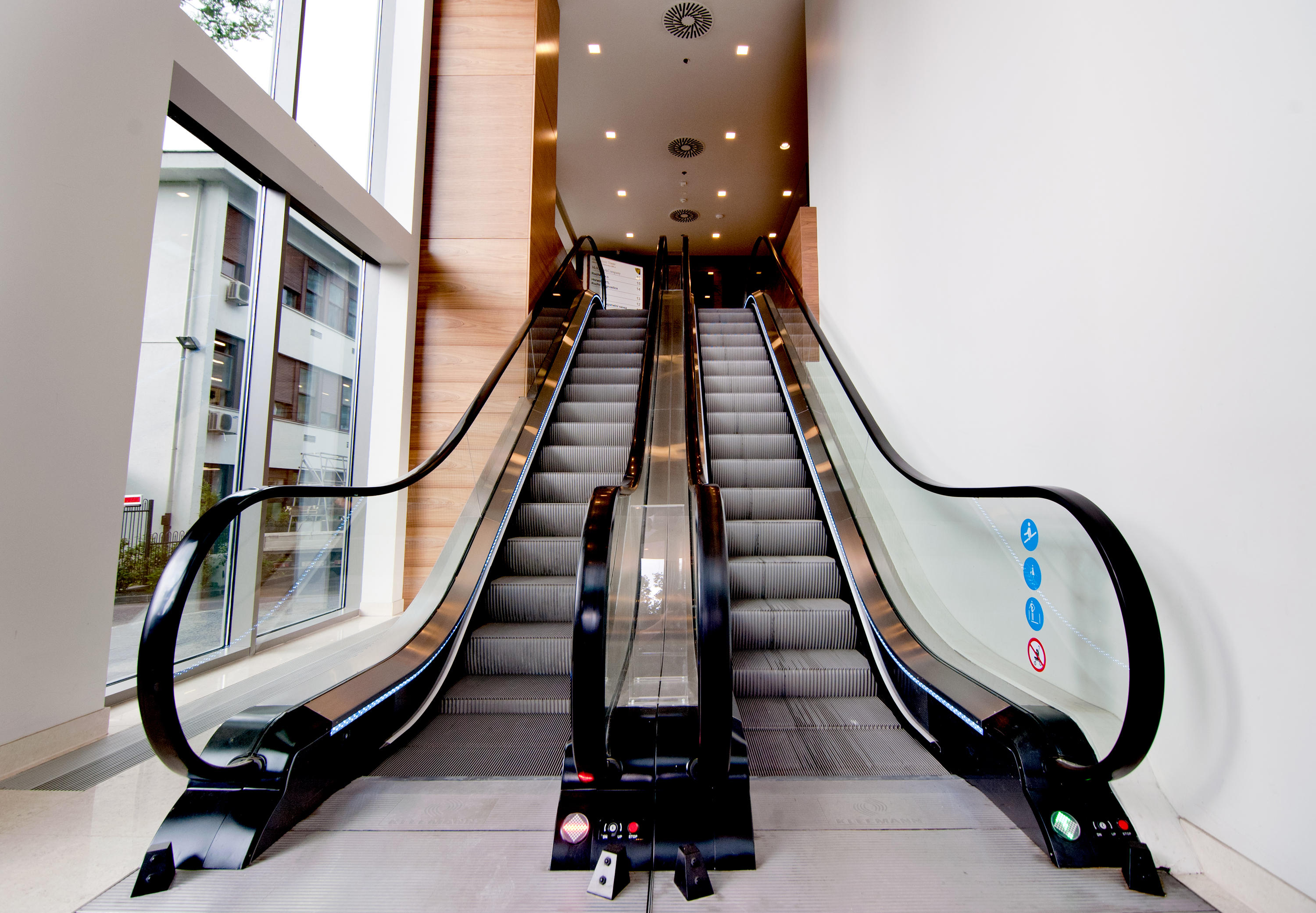
Ladder-type systems
Noun
Offers the possibility of building walkways, maintenance platforms for elevated sections of machinery, or service stairs, all using the same system.
Example: Escalators
en: Sistemas de escalera
Laterally
Noun
That is located next to something
Example: The laundry room is located next to the kitchen.
en: Lateralmente
Masonry ties
Noun
A wall tie is a form of horizontal support for wall structures that are sheathed with masonry rather than structurally built with bricks and mortar.
Example: On the walls
en: Amarres de mampostería
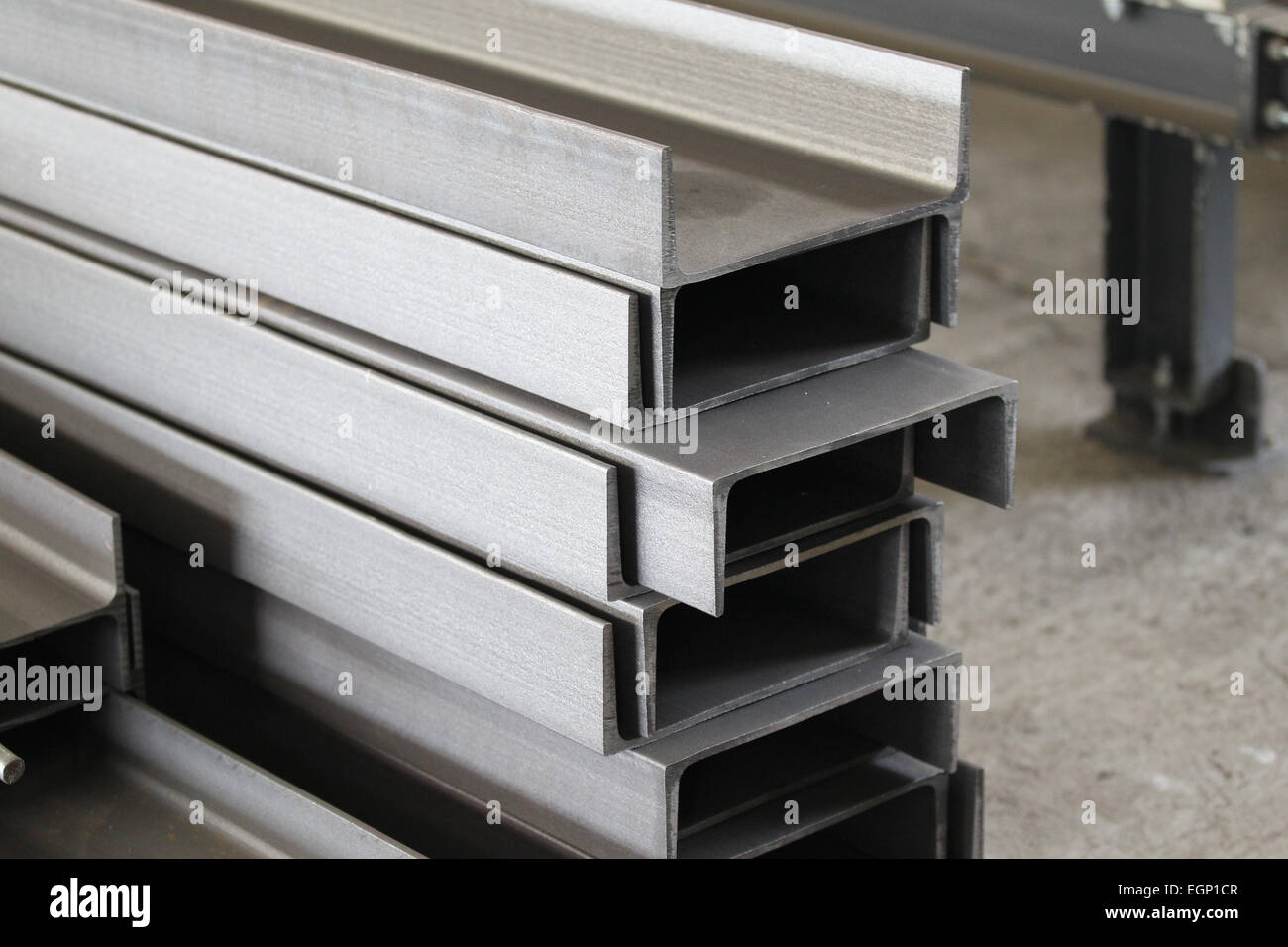
Metal channel
Noun
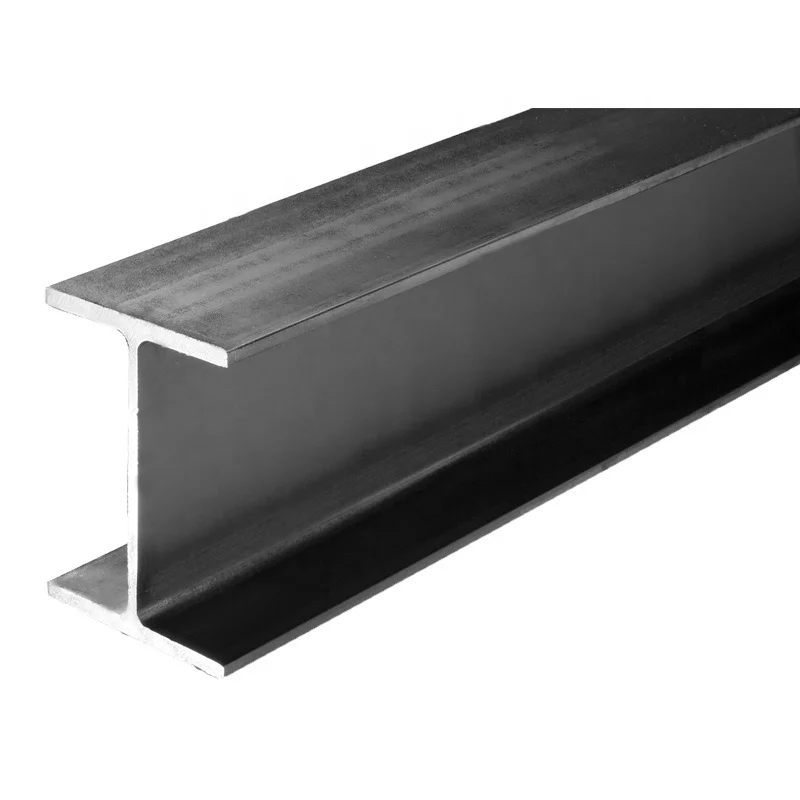
Channel is a structural metal that has many different applications across several industries.
Example: Used in bridge construction, architectural structure, vehicle manufacturing and other industrial structures.
en: Canal metálico
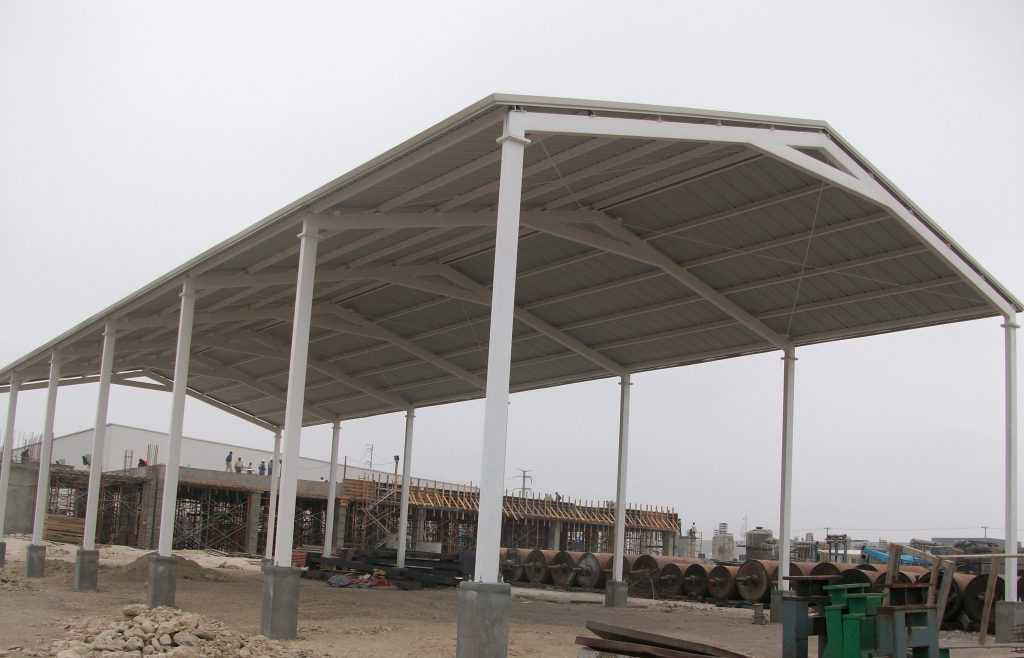
Metal decking
noun
Metal decking is corrugated metal sheeting that’s used as a structural roof deck or composite floor deck. It will be supported by steel beams or joists.
Example: They can be seen in some houses, on some concert stages.
en: cubierta de metal
Metal framing
Noun
Means any structure in which the majority of its parts are metallic materials. Metal structures are commonly used in the industrial sector.
Example: for the construction of different types of bridges or metal wall
en: Estructura metálica
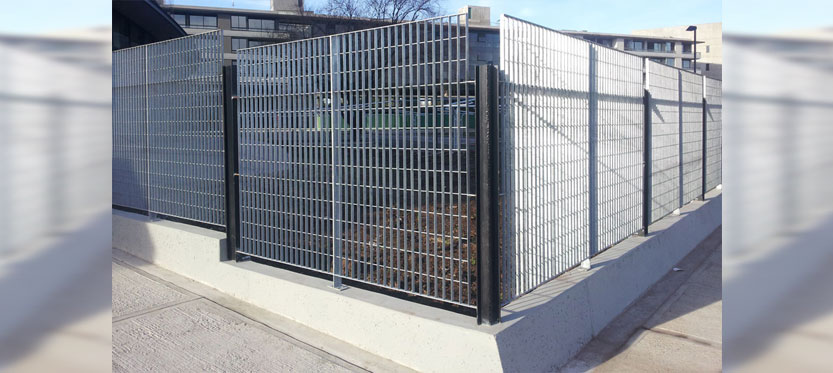
Metal grating
Noun
A grating is any regularly spaced collection of essentially identical, parallel, elongated elements.
Example: commonly used in windows for protections and in garages
en: Rejilla metálica
Metal panel
Noun
They are sheets placed vertically that protect or define a space. They have the function of protecting the interior of the warehouse and distribute the wind load to the Facade stringers.
Example: Any type of metal
en: Panel de metal
Metal rold l/steel rold
Noun
Metal rods are specially formed pieces of metal and alloy that are shaped into a rod-like aesthetic hence the name. Metal rods are commonly used to give added support to a range of applications such as masonry structures.
Example: Some common nonferrous metals that are used to make rods are aluminum, copper, cobalt, nickel, refractory, and titanium.
en: Barra de metal
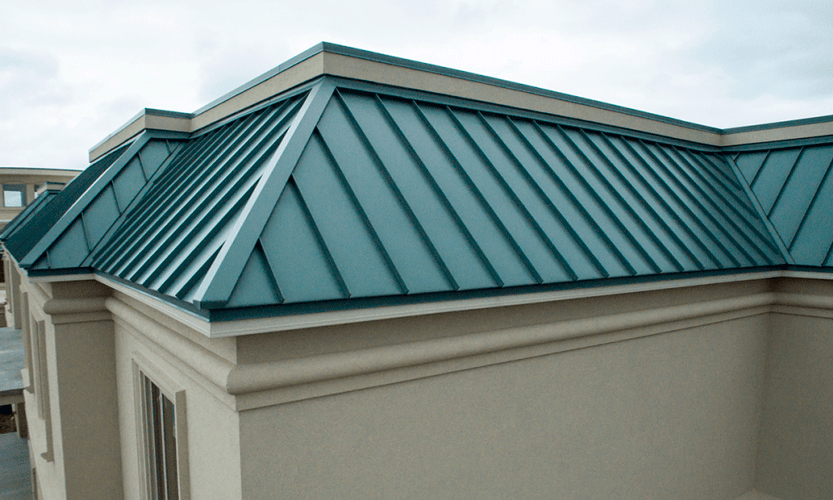
Metal roofing
Noun
they are a fairly common roofing material. The basis of this roofing material is a sheet of steel, covered with a layer of zinc
Example: commonly seen in homes
en: Techo de metal
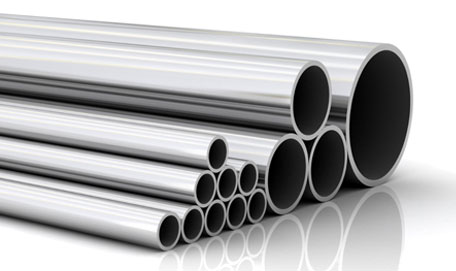
Metal tubing
Noun.
Steel tubes are very common in all kinds of construction uses, from large skyscraper structures to decorative structural elements or scaffolding and machinery.
Example: used in industry and the domestic environment, as well as from simple and strictly functional, to attractive and decorative, also used in art. In their industrial use they are valued for their resistance and ability to withstand temperatures and pressure
en: tubos metálicos
Milestone
noun
The milestones are recognized by everyone at a site, where they aren´t penetrated.
Example: Water sources, monuments
en: Hito
Multi-story
Noun
A building with more than one floor whose loads are distributed by a system of beams and columns.
Example: City buildings
en: Varios pisos
Node
noun
The nodes are meeting points, unions of paths, crossroads, fundamental for
move around the city or space.
Example: A garden, outside a school, in a kiosk
en: Nodo
Porous concrete
Noun
It's a type of pavement with a porous surface that is made up of concrete, it is also considered as green pavement, it allows water to run through it instead of accumulating or leaving it.
Example: The driveway of a house
en: Hormigón poroso
Precast concrete
Noun
It is a construction material that is obtained by mixing, pouring and curing concrete in reusable molds of a certain geometry.
Example: Floor and roof planks, tees and double-tees
en: Concreto prefabricado
Prestressed concrete
Noun
Construction technology for concrete structural elements intentionally subjected to compressive stresses prior to their commissioning.
Example: The roof of the houses
en: Hormigón pretensado
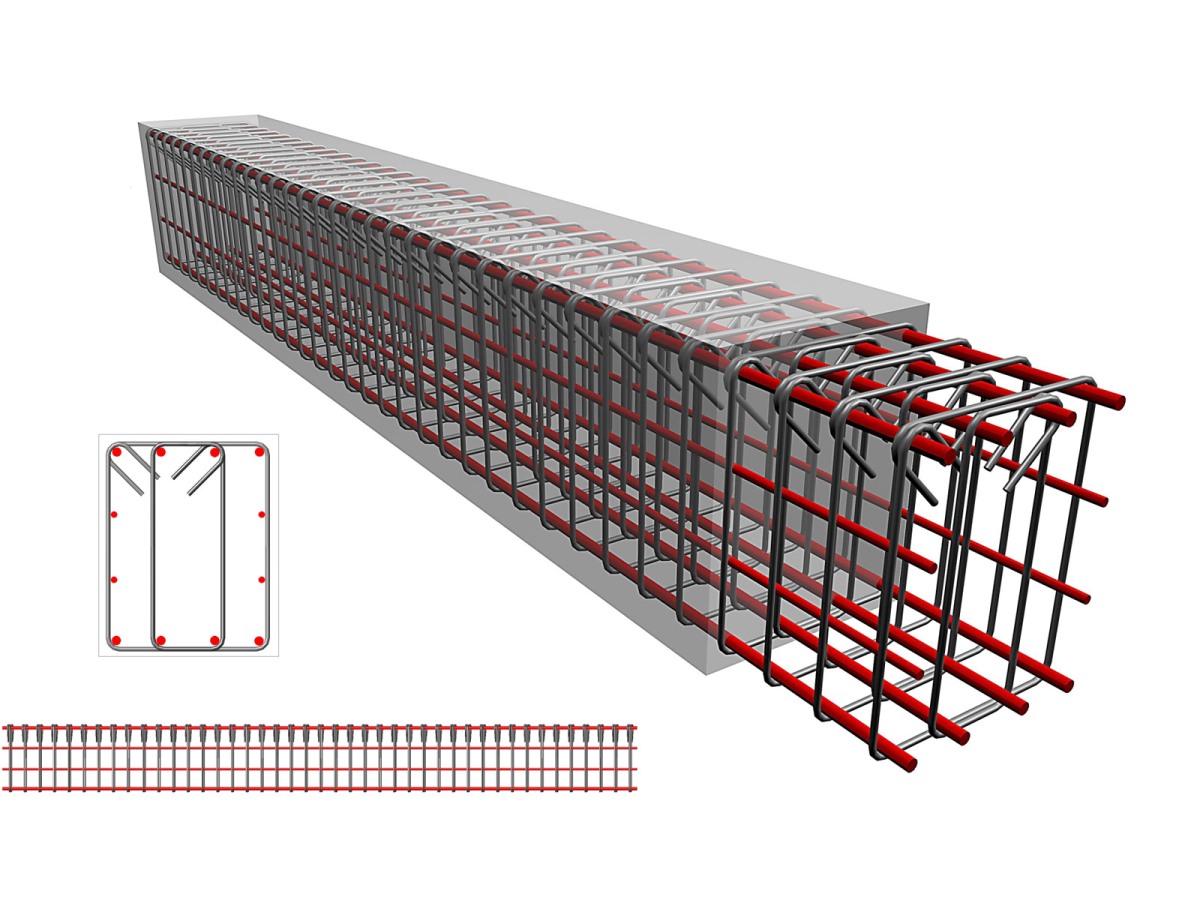
Reinforced concrete
Noun
It is a composite material that conventionally results from the incorporation of steel bars or meshes in the concrete mass.
Example: A building
en: Concreto reforzado
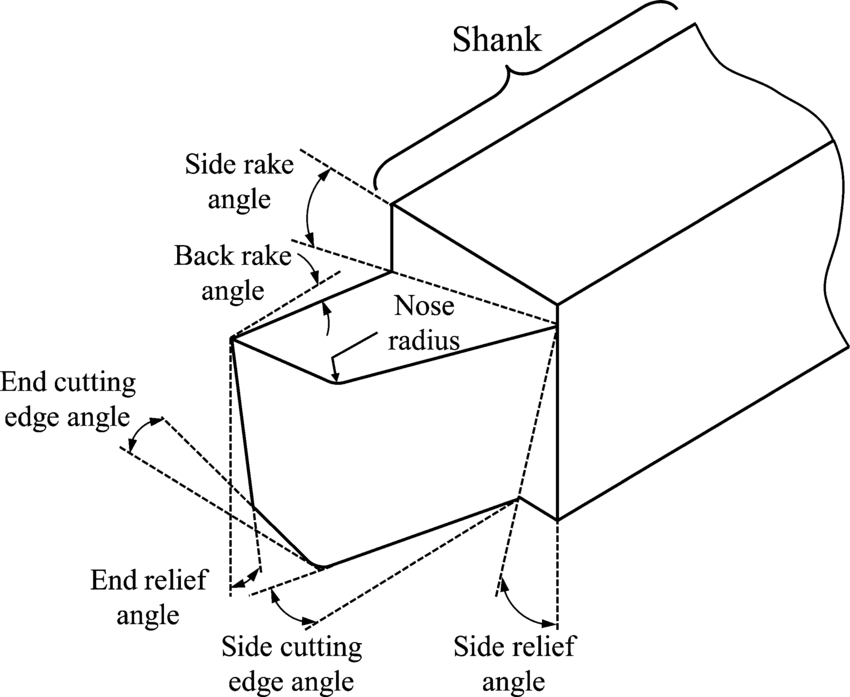
Relief angle
Noun
It allows the cutting edge to work freely and does not rub against the part to be machined.
Example: On the walls
en: Ángulo de alivio
Routes and circulation
Noun
They are paths that they have to move from one place to another, where it allows them to make a route either to generate a route with the shortest possible time
Example: When we cross a bridge or take a short road
en: Trayectos y circulación
Steel angle
Noun
It is a commercial profile whose design is compared to the letter “L” since the way in which this steel profile is bent forms an angle of 90º, which in turn can generate a material with equal or unequal sides.
Example: To manufacture shelves, racks, bodies, machinery components, structures of electric power towers, door and window frames.
en: Angulo de acero
Steel beam
Noun
They are structural elements that support construction loads and transmit them to the vertical support elements (columns or walls).
en: Viga de acero
Steel column
Noun
Its function is to withstand bending and compression efforts caused by the elements they support or by forces of nature such as earthquakes, wind, among others to transmit them to the foundation.
Example: Steel columns are hot rolled, vertical steel structural framing members.
en: Columna de acero
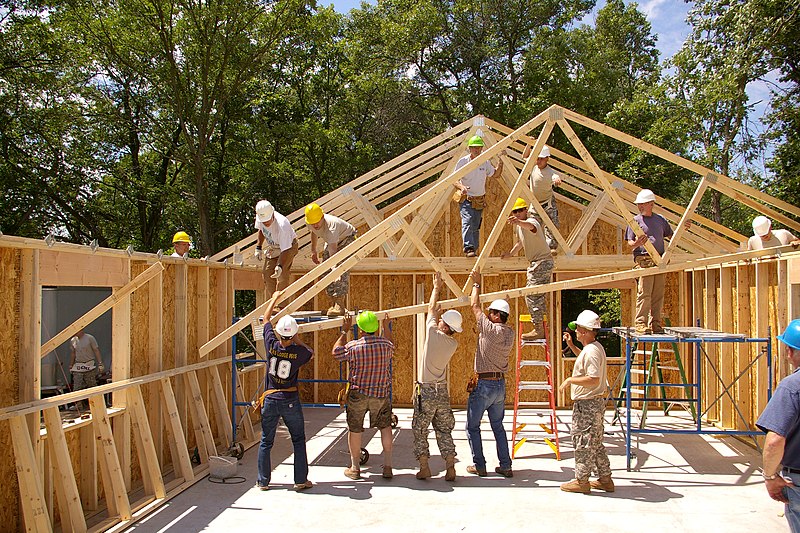
Steel framing
Noun
It is based on a framework or skeleton of any structure whose components are mostly steel columns and beams, these elements help us to support the floor, ceiling and walls of a building.
Example: steel columns and beams
en: Estructura de acero
Steel joist
Steel joist means an open web, secondary load-carrying member of 144 feet (43.9 m) or less, designed by the manufacturer, used for the support of floors and roofs. This does not include structural steel trusses or cold-formed joists.
Example: Also called open web joists.
en: Vigueta de acero
Steel member
Noun
It is a term, but they are capable of presenting large deformations and still resisting large forces. This implies that steel members can be subjected to large deformations during assembly, being possible to bend, hammer, cut and drill them without apparent damage.
Example: Beams, columns, girts, joists
en: Miembro de acero
Steel plate
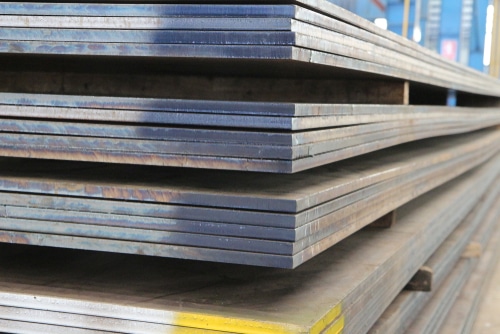
Noun
It is widely used to stabilize structures and protect mass units such as bridges. Alternatively, it offers a base for building larger materials and non-workable parts.
Example: for tube manufacturing
en: Placas de acero
Steel reinforcement
Noun
They are necessary in concrete constructions, "drowned" inside the structure, giving it its resistant properties and guaranteeing the safety of the work.
Example: It is the corrugated or smooth rod.
They are found in the construction of columns to reinforce the structure
en: Refuerzo de acero
Steel reinforcing
Noun
They are necessary in concrete constructions, "drowned" inside the structure, giving it its resistant properties and guaranteeing the safety of the work.
Example: It is the corrugated or smooth rod. They are found in the construction of columns to reinforce the structure
en: Refuerzo de acero
Steel sections
Noun
Steel section describes the profile or shape of a structural steel member
Example: Engineers use the section properties for their calculations.
en: Secciones de metal
Supports
Noun
Thing that receives the weight of another and prevents it from wobbling or falling.
Example: Bridges
en: Soportes
Tie (something) back to
Verb
To join or fasten one thing to another with ropes, cords or similar materials.
Example: Hurricane tie
en: Amarrar algo a algo
Trajectory
Noun
Trayectoria
Example: The route from my home to the store
en: Circulations that unite public spaces and allow us to get from one place to another in the shortest possible time and with the least possible complications. You are depending on space, time and sequence.
Transfers
Noun
Transmission of the body of knowledge on the technique
Example: Improve the design of a room
en: Tranferencias
Unreinforced concrete
Noun
It consists of the combination of two materials: concrete and reinforcing steel
Example: Retaining walls
en: Hormigón no reforzado
Urban legibility
Noun
Legibility It is the space that alludes to facilitate reading without visual obstruction.
Example: Repetition of houses in a neighborhood
en: Legibilidad urbana
Wedge anchor
Noun
Extra strong anchorage for fixings in concrete. It expands against the walls of the hole.


/GettyImages-165675151-574cf9523df78ccee10feffb.jpg)